


For homeowners, it’s a nightmare scenario: emergency home repairs. A bad storm, a busted pipe, or a broken air conditioner can wreck your budget and set you back for months or even years. But there are options out there to help you pay for an unexpected home repair and keep your finances on track.
The Most Common Emergency Home Repairs and Their Costs
Owning a home can be a dream come true, but it comes with a lot of responsibility. Homes need upkeep, and at any point, something could break that has to be fixed ASAP. Here’s a breakdown of some of the most common home repairs and how much they could cost on average.
Note: Actual costs will depend a lot on where you live and the size of your home.
Roof leaks and damages
Any damage or leaks in your roof leaves your home open to even more damage, so the sooner it can be fixed, the better.
-
Average cost for a leak repair: $350–$1,500
-
Average cost for a full roof replacement: $10,000+
HVAC breaking
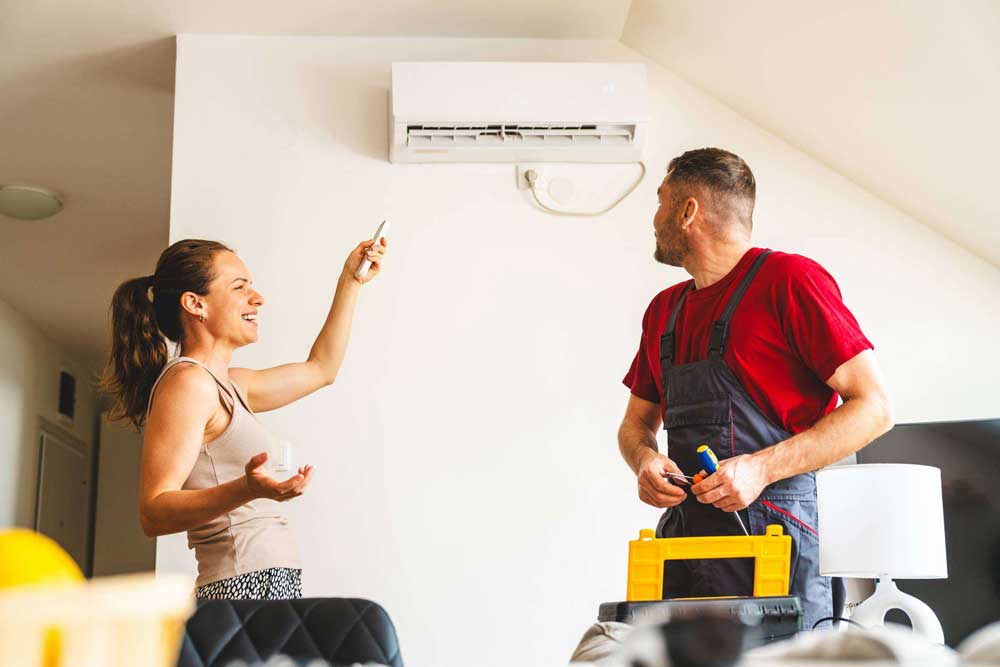
With temperatures becoming more extreme, a working heater and air conditioner are so important. And an HVAC breakdown can become an emergency.
-
Average cost for AC repairs: $100–$5,000+
-
Average cost for furnace repairs: $150–$3,000+
Electrical outages
No electricity means no lights, no refrigerator or freezer, no internet, no heat or AC, maybe even no stove or oven. That isn’t a situation most of us can handle for long.
-
Average cost for smaller repairs: $150–$450
-
Average cost for larger repairs: $2,000–$6,000
Foundation cracks
Time, erosion and weather can all affect a home’s foundation. Cracks can appear, the walls may bow, water may seep in, and that leads to big problems.
-
Average cost for minor cracks: $500–$750
-
Average cost for new outlets: $3,000–$12,000
Burst pipes and plumbing
A leaking faucet may be a more minor issue, but plumbing issues can get expensive fast. They can cause water damage, foundation damage, erosion, and sinkholes.
-
Average cost for minor plumbing repairs: $150–$750
-
Average cost for major plumbing repairs: $500–$4,500
Government Programs for Emergency Home Repairs
If you don’t already have the savings or emergency fund to cover an emergency home repair, you could potentially qualify for a government-funded grant or loan to help. The U.S. Department of Housing and Urban Development (HUD) has loan programs that can help cover home repairs and improvements:
HUD Title 1 Property Improvement Loans
These loans are not directed toward individuals. They’re designed to insure the private lenders against loss on property improvement loans that they make. Improvements must either protect or improve the livability of the property.
HUD Title 1 loans can be used to finance:
-
Large and small improvements
-
Alterations, repairs, and improvements on single-family and multifamily homes
-
Restoration or rehabilitation of historic residences
HUD has a list of approved lenders that can offer Title 1 Loans. That’s the best place to start so you can talk to a reputable lender about terms and conditions.
203(k) Rehabilitation Mortgage Insurance Programs
The 203(k) program has two different options:
-
The Limited 203(k) Mortgage lets homeowners finance up to $75,000 to repair, improve, or upgrade their home; make minor remodeling and non-structural repairs; prepare their home for sale; or make a new home move-in ready.
-
The Standard 203(k) Mortgage is made for homeowners who need to majorly repair or rehabilitate their home. The cost must be at least $5,000 and supports major renovations and structural additions.
Like with the Title 1 program, the first step is to find an FHA-approved lender.
H3: Home Equity Conversion Mortgages for Seniors (HECM)
These are reverse mortgages offered to homeowners over the age of 62. A reverse mortgage is when a homeowner doesn’t make monthly mortgage payments. Instead, the loan increases with interest and fees over time, and it is repaid when the borrower no longer lives in the home.
The HECM program lets seniors withdraw a portion of the home’s value to use for maintenance, repairs, or living expenses.
HUD offers a list of approved housing counselors in addition to approved lenders.
FEMA Individual Assistance
If your emergency home repairs are the result of a natural disaster, the Federal Emergency Management Agency offers programs to support repairs and recovery.
In particular, the Individuals and Households Program (IHP) can provide direct financial services for anyone who is uninsured or under-insured.
Specialized Programs
HUD has home repair programs specifically for certain populations:
Native Americans may qualify for the Housing Improvement Program. It offers grants for housing repairs and renovations for low-income members of federally recognized tribes.
Veterans and military service members can qualify for cash-out refinance loans backed by the VA, housing grants for those with service-connected disabilities, and grants for medically necessary improvements to make your home more accessible.
Rural residents can apply for the Section 504 Home Repair program, which provides loans to low-income homeowners to repair, improve, or modernize their homes; and grants to low-income seniors to remove health and safety hazards.
Other Options for Covering Emergency Home Repairs
Home equity loans
If you have a good credit score and you’ve paid off 15-20% of your mortgage, you could qualify for a home equity loan. Home equity loans usually have lower interest rates, and they’re fixed, so they won’t change while you repay it.
This can be a good option if you have a large amount of money that you need to cover the costs, but for more minor repairs, it may not be a good fit.
Home equity line of credit (HELOC)
An alternative to a home equity loan is a home equity line of credit (HELOC). HELOCs let you borrow up to 85% of your mortgage amount as a kind of pool that you can draw on as needed over a certain amount of time. You pay interest only during that time, and afterward, you usually have 20 years to repay it.
HELOCs are also good for when you need a large amount of money but don’t know how much you need in total. Interest rates for HELOCs are variable.
Homeowners insurance
If you have homeowners insurance, it may cover emergency repairs in some cases. It depends on your policy, and it is best to save it for major issues. Filing an insurance claim could end up raising your monthly payments.
Personal loans
If you know how much your home repairs will cost, a personal loan can be a good way to cover expenses. This is an especially good option if your costs are under $3,000 and you need cash as soon as impossible. It’s important to take the time to find a reliable lender who can offer flexible terms and financial support.
Navigating a Home Emergency
Owning a home is one of the best investments you can make, but it’s not without risk. A sudden emergency does not have to derail your finances. With the government programs and loans available, it’s possible to fix the damages and keep your head above water.

WITHU INSIGHTS TEAM
WithU Insights is powered by a team of writers and strategists who are passionate about sharing our knowledge of the ever-changing financial landscape. Through educational articles and resources, we aim to empower you to navigate your finances and life with purpose.