

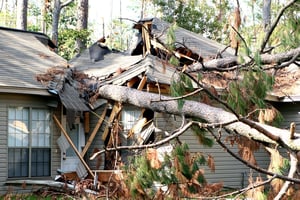
No one wants to think about a disaster striking them and their loved ones, but the truth is, the number and severity of weather-related and other natural disasters in the U.S. is increasing. In 2024, there were 27 individual weather and climate disasters that cost approximately $182.7 billion. It is better to be mentally and logistically prepared in case you end up in the middle of an emergency situation, and part of that is knowing what programs are available to support you and get you back on your feet.
What Disaster Relief Programs Are Offered by the Government?
A lot of the primary disaster relief programs are funded through and overseen by the government at the federal and state level via a few different departments.
Federal Emergency Management Agency (FEMA)
Officially created back in 1979, FEMA is the biggest agency in the federal government dedicated to helping people before, during, and after disasters. They have programs for individuals and families, in addition to others geared toward state, tribal, territorial, and local governments and certain types of private non-profits.
Individuals and Households Program (IHP) provides financial and direct services to eligible applicants affected by a disaster who have uninsured or under-insured necessary expenses and serious needs. It can include:
- Funds for temporary housing, such as rental assistance or hotel reimbursement
- Funds to support the repair or replacement of a primary residence
- A temporary housing unit if there is a lack of available housing
- Funds for hazard mitigation assistance to make homeowners’ homes more durable
IHP applicants have to meet FEMA’s eligibility criteria and be able to verify their identity and home ownership.
Public Assistance Program provides supplemental grants to certain non-profits and state, tribal, territorial, and local governments to help communities quickly respond to and recover from disasters. This covers things like debris removal, emergency protective measures, and public infrastructure restoration.
FEMA has additional programs to support ongoing recovery, including:
- Disaster Legal Services, to provide legal help to survivors affected by a presidentially declared major disaster
- Crisis Counseling and Mental Health Services, to help manage stress, process trauma, and cope with recent experiences
- Disaster Unemployment Assistance, to provide support to those who can’t work as a direct result of a presidentially declared major disaster
- Disaster Case Management, to match you with a case manager to develop a long-term recovery plan
Health and Human Services
The Disaster Supplemental Nutrition Assistance Program (D-SNAP) is available for those living in a disaster area who are facing a loss of income because of the disaster, costly expenses because of the disaster, evacuation or relocation expenses, and/or a personal injury related to the disaster.
Depending on the criteria in your state, the Low Income Home Energy Assistance Program (LIHEAP) can help you after a disaster with paying your heating and cooling bills, and federal student loan borrowers can often provide you with help paying student loans, transferring to a different school, or other issues that arise in the wake of an emergency.
Small Business Administration (SBA)
The SBA offers low-interest disaster loans to help homeowners, renters, and businesses recover from declared disasters. These are aimed at assisting with losses not covered by FEMA or insurance and business operating expenses that could have been met had the disaster not occurred. This includes physical damage loans to repair and replace physical assets; mitigation assistance to cover improvements against future damage; economic injury disaster loans to cover small business operating expenses; and military reservist loans to make up for employees on active-duty leave.
Department of Housing and Urban Development
If you have a mortgage backed by the Federal Housing Administration, you have access to potential disaster relief options. If you are at risk of losing your home because of the disaster, your lender must stop or delay initiation of foreclosure for 90 days. Your lender should be able to help evaluate your situation and make a plan to help you retain your home. You should reach out to a HUD-approved housing counselor for further advice.
Department of Agriculture
The Food and Nutrition Service coordinates to provide nutrition assistance to families and individuals affected by a disaster or emergency. USDA Foods are currently stored in every state and U.S. territory and may be used by state agencies or local disaster relief organizations to provide food to shelters or families/individuals who are sheltering in place.
The USDA Rural Development has loans, grants, and technical assistance programs aimed at rural communities, many of which are related to disaster preparedness and recovery.
The Farm Service Agency offers several different loans and programs to assist agricultural producers in need of disaster recovery:
- Climate-Smart Agriculture and Farm Loan Programs offer financial support to farmers and ranchers seeking to adopt climate-smart practices that can help mitigate damage from natural disasters.
- Disaster Set-Aside Program (DSA) assists farmers and ranchers who have been impacted by natural disasters with existing Farm Service Agency loans.
- Emergency Farm Loans offer financial support to farmers and ranchers impacted by natural disasters to restore or replace essential property, cover production costs, pay essential family living expenses, and refinance certain debts.
- Emergency Assistance for Livestock, Honeybees, and Farm-raised Fish (ELAP) offers financial aid to producers who suffer losses from specific adverse conditions not covered by other USDA disaster assistance programs.
State Emergency Management Agencies
Your state government also has its own emergency management program or agency that offers programs and resources in the event of a disaster. You can find the department for your state here.
What Disaster Relief Programs Are Offered by Nonprofit Organizations?
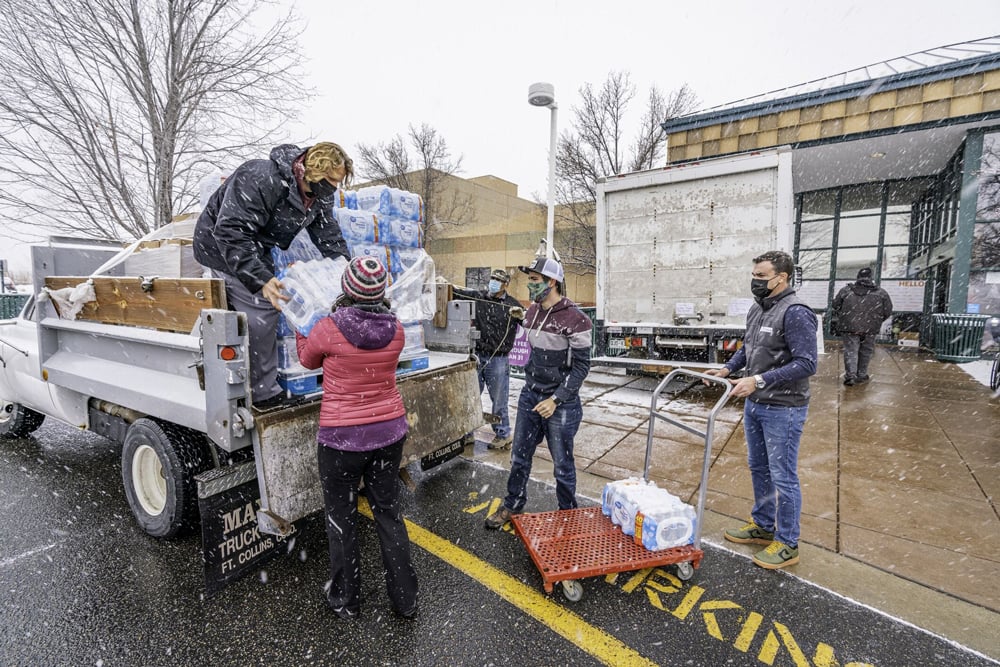
There are a number of non-profits and other organizations that mobilize to support communities affected by emergencies and natural disasters.
- American Red Cross, a non-profit humanitarian organization that provides emergency assistance, disaster relief, and disaster preparedness
- World Central Kitchen, a first-to-the-frontlines organization providing meals in response to humanitarian, climate, and community crises
- Direct Relief, a humanitarian aid organization, active in all 50 states and more than 90 countries, with a mission to improve the health and lives of people affected by poverty or emergencies
- Team Rubicon, a veteran-led humanitarian organization that serves global communities before, during, and after disasters and crises
- Operation USA, a Los Angeles-based international disaster relief and development agency helping communities at home and abroad overcome the effects of disasters
- Disaster Aid USA, a significant humanitarian aid organization that provides immediate relief to those victims when disasters strike
Know Your Resources and Be Prepared
Obviously, we all hope we will never need to access any of these resources, that we will be able to avoid the chaos of a natural disaster or emergency. But it’s important to know what’s out there and available in case the worst happens, both from government agencies and private organizations. There are also partners like WithU Loans who can work with you to get you money in the short term and make it possible for you to get back on your feet.

WITHU INSIGHTS TEAM
WithU Insights is powered by a team of writers and strategists who are passionate about sharing our knowledge of the ever-changing financial landscape. Through educational articles and resources, we aim to empower you to navigate your finances and life with purpose.