


Loan scams are more common than you might think, and they can happen to anyone. With 25.9 million Americans holding personal loans as of 2025, scammers have plenty of opportunities to target borrowers.
Scams often begin with promises that sound too good to be true, such as guaranteed approval, unclear terms, or outrageously low interest rates.
If you’ve been targeted or victimized by a loan scam, reporting it quickly is one of the most important steps you can take. Your report could help authorities stop scammers from harming others.
Let’s walk through how to report a loan scam to the proper authorities and what you can expect when filing a report.
Why Report A Scam?
Scammers rarely stop at one victim. When you report a scam, you’re helping protect others from falling prey to the same scam. Reporting helps law enforcement track patterns, build cases, and shut down fraudulent operations. Documenting the fraud for your own records can also help dispute charges or identity theft.
Agencies such as the Federal Trade Commission (FTC) and the Consumer Financial Protection Bureau (CFPB) use consumer reports to investigate and prosecute scammers. Even if you can’t get your money back, your report can prevent others from falling into the same trap.
Before Filing A Report
You’ll be asked a lot of questions when you file a report, so before you begin, gather all the details you can about the scam. What was the name of the person or company who contacted you? Can you provide their phone number, email address, or website? You may need copies of the messages you received, including the dates and amounts of any payments you made. Any evidence or facts you have will make your report more effective and be helpful to the investigators working to connect the dots.
Reporting to Appropriate Authorities
Federal Trade Commission (FTC)
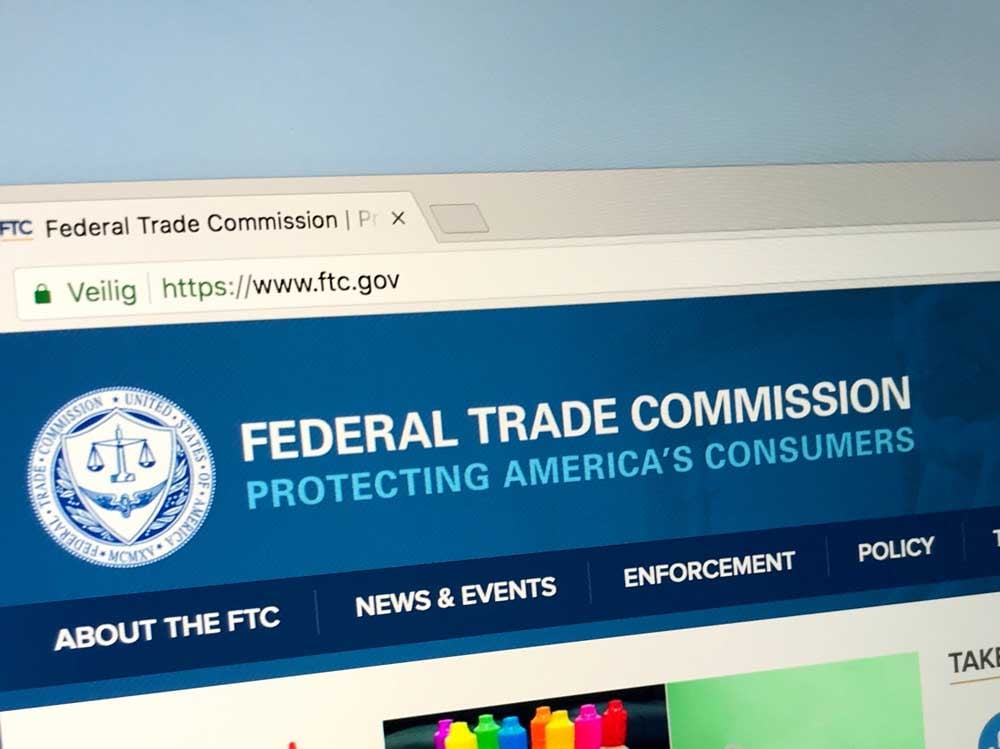
Several federal agencies handle financial fraud and loan scams, but the FTC is the primary agency for reporting scams. Use their secure portal at ReportFraud.ftc.gov to submit your complaint. The process is simple: you’ll answer a few questions about what happened, provide your contact details, then receive a report number for your records.
Consumer Financial Protection Bureau
(CFPB)
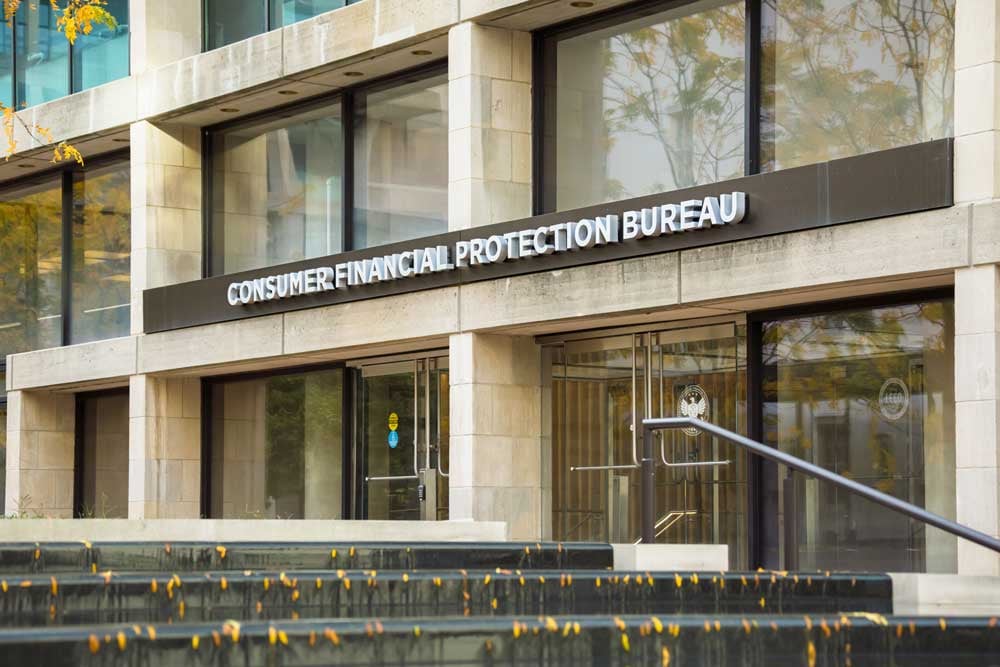
The CFPB is a government agency that makes sure lenders treat their consumers fairly. If the scam involves a personal loan, payday loan, or debt collection, among others, you can file a complaint with the CFPB at consumerfinance.gov/complaint. The CFPB forwards complaints to companies, tracks their responses, and publishes the resulting complaint data.
Federal Bureau of Investigation (FBI)
For internet-based loan scams and fraud, report to the FBI’s Internet Crime Complaint Center at IC3.gov. This is especially important if you shared sensitive information online.
U.S. Postal Inspection Service
If the scam involved mail, contact the Postal Inspection Service at uspis.gov.
State Authorities
Every state has a consumer protection office that handles complaints related to fraud. Visit USA.gov’s scam reporting page to find your state’s contact information. You can also contact your local Police Department or State Attorney General's Office.
Tribal Authorities
Some loan scams claim to operate under tribal authority to appear legitimate. One of the most effective ways to avoid loan scams is to ensure you’re choosing a legitimate, regulated lender.
WithU Loans is overseen by the Consumer Finance Services Regulatory Commission (CFSRC) of the Otoe‑Missouria Tribe of Indians. The Commission makes sure the lenders they license comply with applicable regulations and do not use deceptive, abusive, or dishonest practices.
If you suspect a loan scam involving a lender claiming to be affiliated with the Otoe-Missouria Tribe, you can report potential violations to omfsov@omtribe.org.
One way to tell whether a lender is owned by a Native American Tribe is to look at how the company describes its ownership and governance. Tribally owned lenders are typically owned by a federally recognized tribe or a tribal government–chartered entity, possibly even formed under Section 17 of the Indian Reorganization Act. This information is usually disclosed on the lender’s website and it will often state the name of the Tribe and explain that the business is operated as an arm of the tribal government. You may also see references to tribal economic development, reinvestment of profits into tribal programs, or oversight by a tribal council or board.
Another indicator is how the lender explains its regulatory framework. Tribally owned lenders generally state that they are regulated under tribal law and operate pursuant to the sovereignty of the Tribe, rather than under state lending licenses. This does not mean the lender is unregulated; legitimate tribal lenders will clearly explain the consumer protections they follow, how disputes are handled, and how to contact the company or the Tribe if there is an issue.
Be cautious of lenders that vaguely reference tribes without naming one, or that bury ownership information in fine print. Transparent identification of the Tribe, the legal entity, and the governing law is a key sign that a lender is genuinely tribally owned and operated.
Your Bank or Credit Card Company
If you shared your account details or made payments to a fraudulent lender, contact your bank or credit card issuer immediately. You may be able to freeze your account, dispute the transaction, or issue a new card to prevent unauthorized transactions. Many banks can place a fraud alert on your account to help monitor suspicious activity.
What Happens After You Report
After you submit your complaint, agencies may contact you for more details. While they may not be able to resolve individual cases, your report goes into national databases used by law enforcement to detect patterns and launch investigations. The FTC shares reports with over 2,800 law enforcement partners across the nation.
You don’t just have to choose one agency to report to, either. Reporting to multiple agencies actually increases the chances that your report will be investigated.
Tips to Protect Yourself Going Forward
- Never pay upfront fees for guaranteed loans. A legitimate lender will never guarantee a loan in exchange for fees up front.
- Keep your financial information safe online with strong logins, security questions, and banking practices.
- Monitor your credit report for suspicious activity after a scam attempt.
If you’re unsure whether an offer is legitimate, take a few minutes to do your research. Scammers create a sense of urgency to get you to act quickly.
Fighting Fraud
Encountering a loan scam can feel overwhelming or shameful, but you aren’t alone, and filing a report is the best way to fight back. By alerting federal, state, and tribal authorities, you’re helping protect yourself, your family, and your community. Remember: the sooner you act, the better your chances of stopping scammers.

WITHU INSIGHTS TEAM
WithU Insights is powered by a team of writers and strategists who are passionate about sharing our knowledge of the ever-changing financial landscape. Through educational articles and resources, we aim to empower you to navigate your finances and life with purpose.