


For many people, living paycheck to paycheck feels like running on a treadmill that never slows down. While the amount of people who fall into this category can be ambiguous, a 2025 report from MarketWatch Guides says that 57% of American adults were living paycheck to paycheck. That means that one unexpected expense such as a car repair or medical bill can throw everything off balance and bring financial hardship. It’s stressful, exhausting, and often discouraging.
But one of the most powerful ways to regain control of your finances is surprisingly simple: start tracking your expenses. This isn’t about restricting every dollar or never enjoying life. It’s about understanding where your money is going so you can make intentional decisions, reduce financial stress, and eventually create breathing room in your budget.
The good news? You don’t need to be wealthy, financially savvy, or great with spreadsheets to get started.
Why Tracking Your Expenses Matters
Most people underestimate how much they spend in small amounts throughout the week or month. It’s easy to forget about a few drive-thru meals, subscription services for tv or music apps, convenience store stops, or impulse purchases. Those expenses can quietly drain hundreds of dollars before the next paycheck arrives.
Tracking expenses helps you:
-
Identify spending habits
-
Spot unnecessary expenses
-
Avoid overdraft fees or missed bills
-
Prepare for emergencies
-
Build savings over time
-
Feel more in control of your finances
Think of it like using GPS on a road trip. If you don’t know where you currently are, it’s almost impossible to figure out how to get somewhere better financially.
Best Practices for Tracking Expenses
You will only be good at this if the methods you use are realistic and sustainable. The good news? You don't need to track every penny perfectly to make improvements to your finances. Here are four steps to follow to get started on the right track.
1. Start With Your Fixed Expenses
Begin by listing the bills that stay relatively consistent each month. This includes items like the following:
-
Rent or mortgage
-
Car payment
-
Insurance (car, health, and home)
-
Utilities
-
Phone bill
-
Internet
-
Loan payments
-
Childcare
These are the “non-negotiable” expenses that form the foundation of your monthly budget. Knowing your fixed costs will help you better understand how much money is left for everything else.
2. Track Variable Spending Daily
Variable spending is the main area most people lose track of their money. These expenses include areas such as food, groceries, gas, shopping, subscriptions, and entertainment costs. The key here is consistency. Even spending five minutes a day reviewing your purchases can open your eyes to patterns quickly.
3. Separate “Needs” from “Habits”
This doesn’t mean eliminating everything enjoyable from your life. Instead, ask yourself:
-
Is this expense helping me?
-
Is this expense a necessity right now?
-
Am I buying this out of convenience, stress, or boredom?
Sometimes the biggest financial breakthroughs come from reducing repeated habits instead of making dramatic sacrifices. For example, cutting back from daily food delivery to once a week could save hundreds per month without feeling overly restrictive.
4. Review Your Weekly Spending
Reviewing your spending at the end of each week helps you avoid surprises. It can prevent declined payments, bounced checks, and the stress of wondering whether your transactions will go through. Set aside 15–20 minutes each week to review the following:
-
What you spent
-
Categories where you overspent
-
What bills are coming due
-
How much remains in your bank until your next paycheck
This habit builds awareness and helps you make adjustment before problems get out of hand.
Helpful Tools for Tracking Expenses
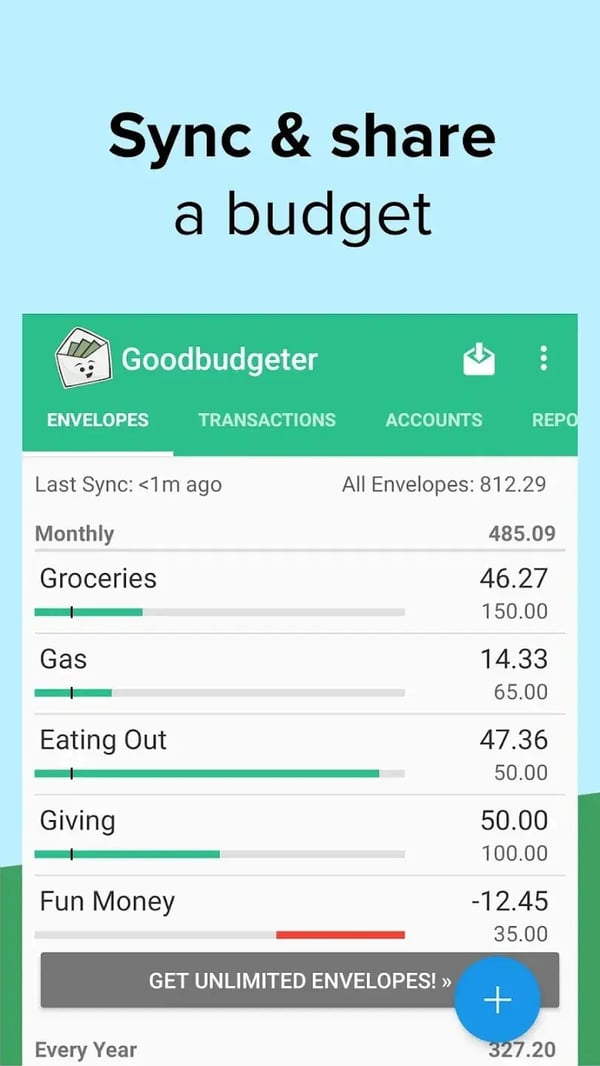
You do not need expensive software to manage your money. Some of the best budgeting tools are free or low-cost. Budgeting apps, such as Goodbudget, can automatically categorize spending, send alerts, and help you monitor your progress. Everyone has a different style or preference, so play around and look for the app that works best for you.
Many banks now offer built-in spending trackers through their mobile apps. These features can show you monthly spending summaries, spending categories like food, entertainment, utilities, subscription charges, and account alerts. If you already use mobile banking regularly, this can be the easiest place to start tracking your expenses.
Another option is the simple spreadsheet. Many prefer this because it is customizable and feels like you own it rather than being forced to use another tool’s metrics or settings. Here is a list of simple expense tracking metrics to put in a spreadsheet:
-
Date
-
Purchase name
-
Category
-
Amount
-
Remaining balance
Even a notebook or the notes app on your phone can work if that feels easier. The best system is the one you will continue to use over time. The bottom line: start somewhere! Testing and trying method after method only delays your progress.
Focus on Progress, Not Perfection
Living paycheck to paycheck can feel overwhelming, but tracking your expenses gives you something incredibly valuable: visibility. When you understand where your money is going, you can begin making decisions that align with your goals instead of constantly reacting to financial stress.

WITHU INSIGHTS TEAM
WithU Insights is powered by a team of writers and strategists who are passionate about sharing our knowledge of the ever-changing financial landscape. Through educational articles and resources, we aim to empower you to navigate your finances and life with purpose.